
A machine shop plays a pivotal role in the backbone of modern manufacturing by providing precision machining services essential for creating parts and components used across various industries. From automotive and aerospace to medical devices and construction, machine shops contribute significantly to the production process by offering tailored solutions that meet exact specifications. These facilities are equipped with advanced machinery such as CNC (Computer Numerical Control) lathes, milling machines, and grinders, which enable technicians to fabricate parts with high accuracy and consistency. In a world increasingly reliant on automation and intricate designs, the importance of a well-equipped and efficiently run machine shop cannot be overstated.
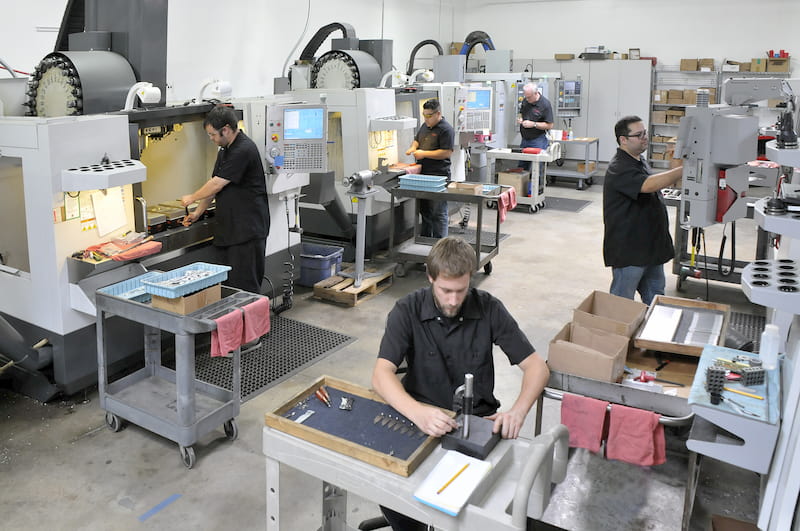
At its core, a machine shop is a hub where raw materials such as metal, plastic, and composites are transformed into functional products. This transformation is achieved through various processes including cutting, drilling, shaping, and finishing. The process begins with a blueprint or digital design, often created using CAD (Computer-Aided Design) software. These designs are then converted into machine-readable code that guides CNC machines in executing precise movements. As a result, even the most complex geometries can be replicated with exceptional detail and repeatability. The reliability and scalability of machine shops make them indispensable to industries that demand exact standards and tight tolerances.
Beyond precision, one of the standout features of a modern machine shop is its adaptability. Whether it’s producing a single prototype or fulfilling a large-scale production order, machine shops can adjust their operations to meet diverse client needs. This flexibility is especially crucial in today’s fast-paced market, where companies must constantly innovate and bring new products to life swiftly. Customization, too, is a key strength, with machine shops capable of developing specialized tools, dies, and parts that aren’t available off the shelf. This level of bespoke manufacturing empowers engineers and designers to push boundaries in product development.
Quality assurance is another critical component of machine shop operations. Skilled machinists and quality inspectors utilize a range of measurement tools and techniques to ensure that each part meets stringent industry standards. In many cases, machine shops are ISO-certified, reflecting their commitment to maintaining high-quality processes. Moreover, the integration of digital technologies such as real-time monitoring and automated inspection has further enhanced the reliability and efficiency of these operations. The result is reduced waste, faster turnaround times, and products that consistently meet or exceed customer expectations.
In conclusion, the modern machine shop is far more than just a place where materials are cut and shaped. It is a center of innovation, precision, and adaptability that supports the advancement of industries across the board. With technology continuing to evolve, the capabilities of machine shops are expanding, making them a crucial partner in the journey from concept to creation. As manufacturing trends lean more towards customization, sustainability, and rapid development, the value of a skilled and well-equipped machine shop will only continue to grow.